

As reported by NutraIngredients, ANH filed the petition in September 2025 asking FDA to allow 118 nutrient–illness statements drawn straight from authorities publications and public-facing supplies produced by scientists on the Nationwide Institutes of Well being (NIH), the Facilities for Illness Management and Prevention (CDC) and different federal well being companies.
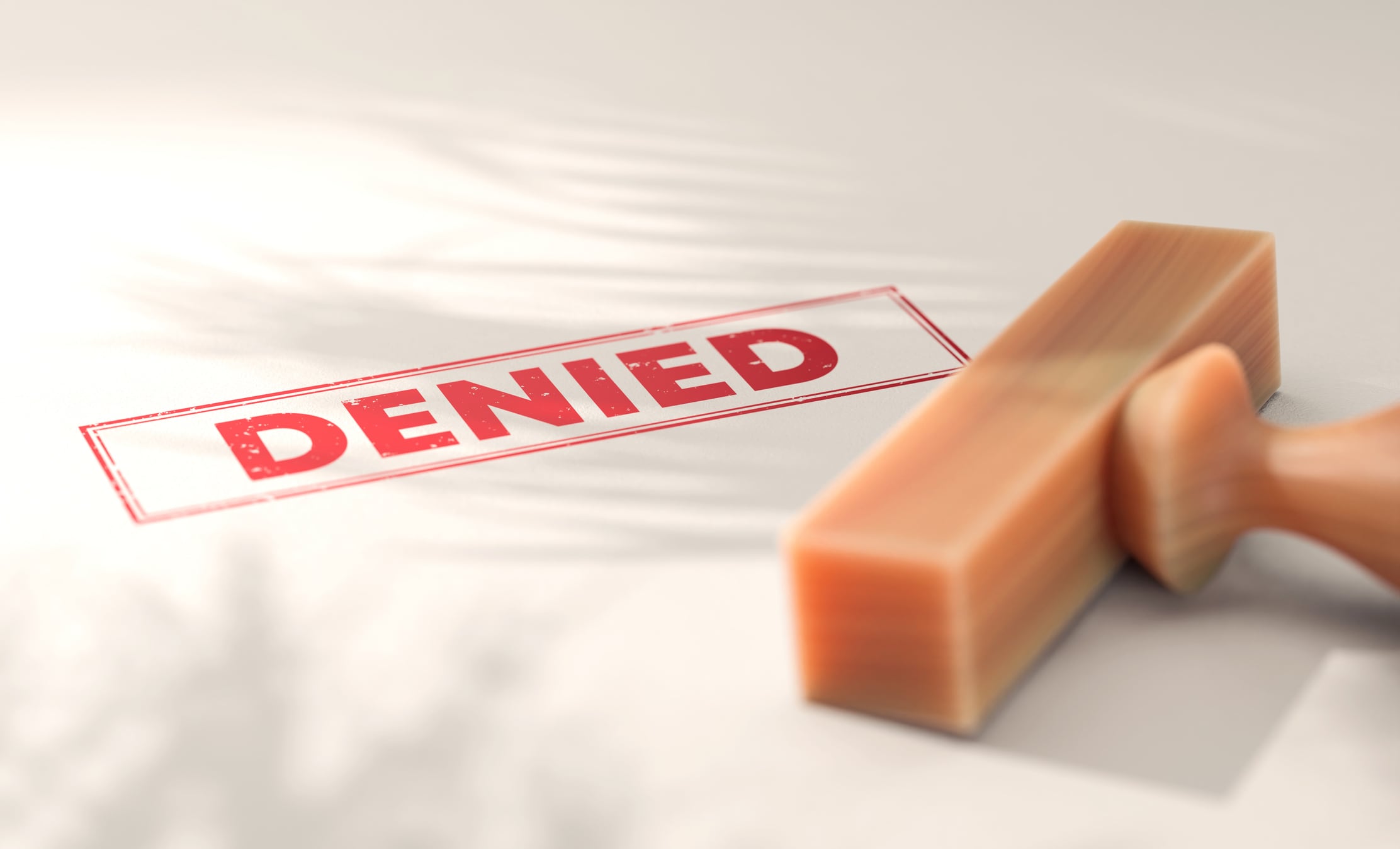
FDA denied 116 claims: Two claims, which ANH-USA thought the company considered as implied drug claims, have been construction/operate claims allowable with out company overview, Jonathan Emord, basic counsel to ANH-USA, advised NutraIngredients.
FDA’s denial bars these statements from being shared with shoppers on the level of sale and included claims regarding all of the nutritional vitamins, many minerals, fiber, omega-3 fatty acids and botanicals akin to ashwagandha, chamomile, cranberry, elderberry, garlic, ginger, turmeric and plenty of extra.
“FDA’s resolution to censor at grocery and on-line shops 116 statements made by the federal authorities’s personal scientists straight violates the First Modification beneath the landmark precedent of Pearson v. Shalala,” mentioned Emord in a press release.
“FDA’s act to deprive the general public of nutrient-disease associations endorsed by its personal scientists is an appalling departure from the Make America Well being Once more (MAHA) agenda, making a mockery of the promise of transparency.”
ANH-USA said it is going to now sue FDA in america District Court docket for the District of Columbia, difficult this unconstitutional censorship of essential well being info.
Robert Verkerk, PhD, govt & scientific director of ANH-USA, added: “FDA rejected each declare we petitioned—signaling it has no urge for food to confront Massive Pharma or its personal censorship regime.
“Even when nutrient–illness statements come from authorities scientists and are supported by substantial proof, FDA treats them as off-limits—as a result of it nonetheless clings to what appears to be its main mission: to guard Massive Pharma from each supply of competitors.”
FDAMA
On the heart of the difficulty is the 1997 Food and Drug Administration Modernization Act (FDAMA), which allowed well being or nutrient claims on typical meals if “a U.S. governmental scientific physique with public well being safety or analysis accountability straight regarding human diet or the Nationwide Academy of Sciences has revealed an authoritative assertion, at the moment in impact, in regards to the relationship to which the well being declare refers or that identifies the nutrient degree to which the nutrient declare refers.”
The FDAMA added that the declare should precisely characterize the authoritative assertion and have to be simply comprehensible by the general public.
In 1998, the FDA issued guidance outlining its interpretation of what constitutes an “authoritative assertion” and required that well being claims be topic to Vital Scientific Settlement (SSA) customary. The steering famous that, “Not all pronouncements by the designated scientific our bodies would meet these standards.”
This steering is “at odds with the plain that means of the statute’s phrases,” according to the ANH petition, which was filed with trade companions Residing Gas Worldwide, Well being Ranger Retailer, Inc., Sanacor Worldwide, Inc. and Evolution Nutraceuticals, Inc. dba Cardio Miracle.
“The company’s interpretation contradicts the statute which exempts well being claims primarily based on authoritative statements from SSA overview prematurely of market entry and permits steady use of the declare available in the market till such time, if ever, when the Secretary promulgates a rule following discover and remark rulemaking that modifies or revokes the declare or a federal court docket in an enforcement motion acts in opposition to the declare,” the petition said.
The FDAMA solely utilized to traditional meals and to not dietary dietary supplements, according to FDA.
In its denial letter, the company admitted that its enabling statute doesn’t outline “authoritative” however argues that the statements of presidency scientists cited by ANH-USA usually are not “authoritative” beneath FDAMA. The company defended a slender definition of “authoritative”, asserting that consumer-facing academic supplies—even when described by the federal government itself as dependable and science-based—don’t qualify.
“FDA’s motion to censor the claims plainly violates the D.C. Circuit’s landmark resolution in Pearson v. Shalala,” mentioned Emord, who argued the Pearson case. Pearson v. Shalala, dominated that the FDA’s “important scientific settlement” customary for approving well being claims on dietary dietary supplements violated the First Modification’s industrial speech protections. The court docket determined that the company could not suppress truthful, non-misleading well being claims except it might probably show, with affirmative proof, that the claims are false.
“Even when it has energy to declare the claims unapproved by FDA, Pearson teaches that it should nonetheless permit them to succeed in the general public on the level of sale except it proves with affirmative proof that the claims are false. FDA didn’t try this right here. The claims right here in problem are ones endorsed by the federal government’s personal scientists in peer reviewed articles. It has no First Modification energy to ban these statements from reaching the general public on the level of sale.”
“We’ll sue to vindicate that First Modification proper for the good thing about the plaintiffs and all People,” Emord added.