
The corporate revealed the above throughout its annual R&D Day held final month.
Predominantly identified for its beer brewery enterprise, Kirin additionally runs a pharmaceutical arm and well being science enterprise. It’s most established for its immune help postbiotic Lactococcus lactis pressure Plasma, also referred to as LC-plasma.
Throughout a particular roundtable dialogue titled “Growing old Care Analysis and Its Implementation in Society”, subjects such because the 14 Hallmarks of Growing old and the XPRIZE competitors have been raised. Specifically, Kirin has set its sights on tackling mobile senescence and persistent irritation.
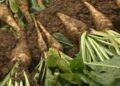
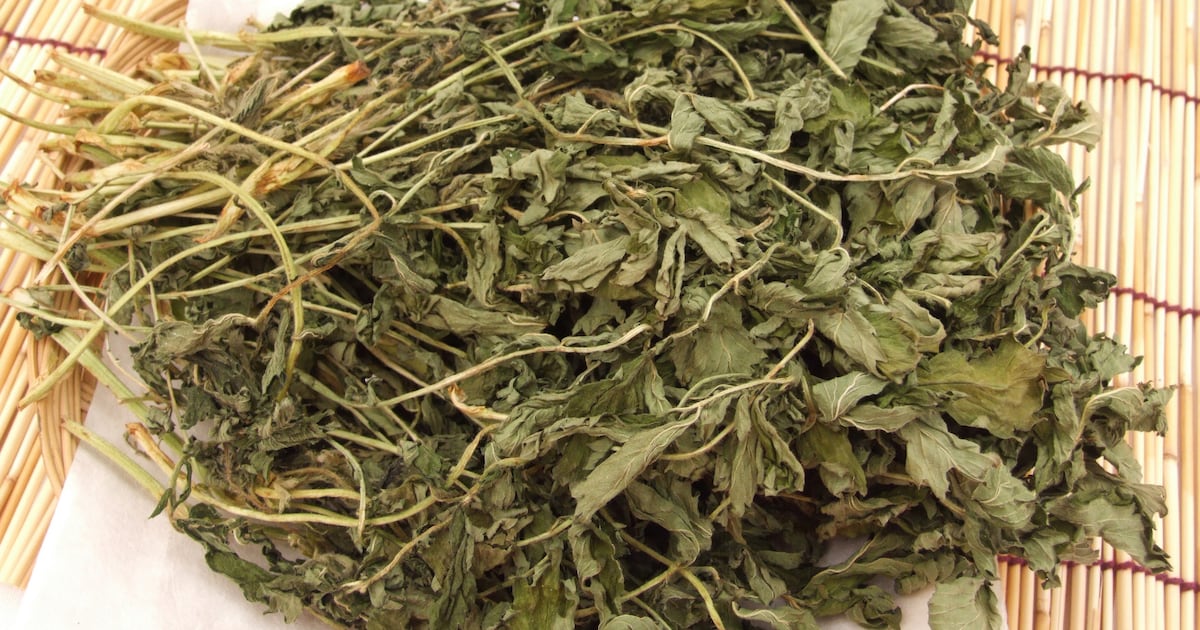
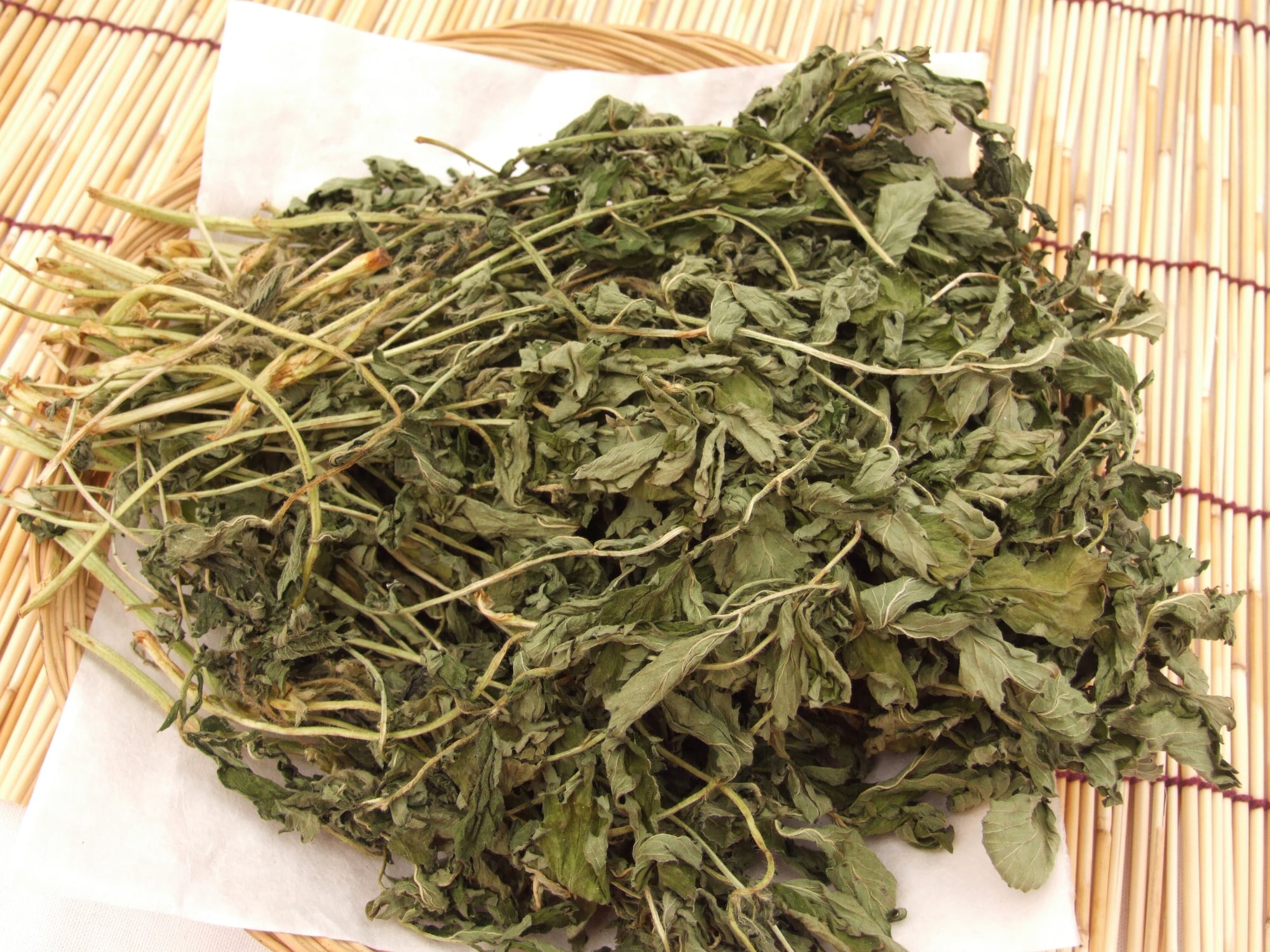
It has recognized Agrimonia pilosa—a perennial plant of the rose household that grows wild in mountainous and wooded areas and is used as a people treatment—as a candidate for concentrating on mobile senescence.
Generally identified in Japan as “Kinmizuhiki”, Kirin mentioned that the plant was chosen from roughly 4,000 supplies as an ingredient for supporting mind perform.
The corporate mentioned it first found the plant’s capability to take away senescent cells in 2020.
Commercialization in sight…however lack of testing strategies
Thus far, Kirin’s subsidiary FANCL Company has developed a Meals with Operate Declare (FFC) containing Agrimonia pilosa, which is claimed to assist preserve optimistic temper and cut back momentary fatigue.
Marketed as Wellage Premium, the product launched final April.
Along with the present claims, Kirin is working so as to add “anti-aging” to the product’s purposeful claims; nevertheless, it additionally acknowledged that commercialization of merchandise making such claims could be depending on the flexibility to develop a technique that measures the variety of senescent cells within the physique.
This will probably be a spotlight this yr.
“This yr, we’re nonetheless engaged on discovering what else we will anticipate for anti-aging, and we’ve not but developed the methodology to measure senescent cells,” the corporate acknowledged. “So first, we are attempting to develop tips on how to measure how a lot growing old this shopper is. By growing this type of methodology, I believe that we will contribute extra to our product.”
Analysis findings on Agrimonia pilosa
A scientific trial carried out on 110 middle-aged Japanese reported that supplementation with Agrimonia pilosa Ledeb. extract might cut back senescent immune cells.
Preliminary information from the trial funded by FANCL have been published in Nutrients last February.
The 110 contributors between the ages of 40 and 59 have been chosen from 635 people screened for immunosenescence, with a excessive proportion of high-SA-βGal CD8+ T cells as the choice standards. These cells are also referred to as senescent immune cells.
They have been randomized to take both 50 mg of the extract containing 0.2 mg of agrimols or the placebo for eight weeks.
The first endpoint of this research was the change within the proportion of high-SA-βGal CD8+ T cells in human peripheral blood mononuclear cells (PBMCs).
Findings confirmed that the proportion of high-SA-βGal CD8+ T cells decreased in each the intervention and placebo teams, with no vital variations between teams, by the tip of the trial.
Subgroup evaluation, nevertheless, confirmed that the proportion of high-SA-βGal CD8+ T cells was considerably decrease in males who took the extract as in comparison with those that took a placebo.
In distinction, females in each teams confirmed a lower by the tip of the trial, with no vital distinction between the teams.
The researchers additionally studied the proportion of naïve CD8+ T cells and effector reminiscence CD8+ T cells in males and reported that the intervention group had a considerably increased naïve CD8+ T cells however a decrease effector reminiscence CD8+ T cells by the tip of the research.
Primarily based on this discovering, it was steered that “the rise within the variety of naïve T cells was as a result of removing of senescent effector reminiscence CD8+ T cells,” the researchers wrote.
As to why no such observations have been seen within the feminine contributors, the researchers mentioned this could possibly be resulting from results from feminine hormones like estrogen, which performs a task in modulating the expression of senescence-related proteins and in addition influencing the differentiation and activation of T cells.
“On this research, the consumption of APE resulted in little change within the proportion of central reminiscence T cells; nevertheless, the proportion of effector reminiscence T cells decreased whereas that of naïve T cells elevated,” the researchers concluded. “This implies that the consumption of APE might remove effector reminiscence CD8+ T cells that extremely specific SA-βGal and are present process growing old.”
Aspergillus bioactive for persistent irritation
One other ingredient recognized for tackling the hallmarks of growing old, particularly persistent irritation, is Aspergillus extract containing 14-dehydroergosterol (14-DHE).
In keeping with the corporate, 14-DHE tackles persistent irritation through the induction of tolerogenic dendritic cells and the induction of regulatory T cells or Tregs.
In the meanwhile, the corporate has demonstrated the ingredient’s advantages for pores and skin.
Printed in March 2018 in Clinical, Cosmetic and Investigational Dermatology, the 12-week research involving 70 girls reported that the supplementation of Koji extract containing 14-DHE might enhance pores and skin moisture within the stratum corneum.